

The Major League Baseball owners’ most recent collective bargaining proposal to the MLB Players Association was extreme – and borderline outrageous. This comes as the two sides begin working on a new CBA to replace the one that expires at the end of November. Everyone is hopeful that another work stoppage can be avoided, although it appears one is likely to start on December 1st. With their latest proposal, the owners want a rollback on not just high salaries, but length of contracts and other things that would amount to a serious setback on players rights and earning power.
The union predictably laughed at the latest proposal, which the owners falsely claim would help smaller market teams compete better. They continue pitching a salary cap for a sport that has never had one. What they should be focused on is having the owners themselves figure out an equitable way to share revenue – specifically local media rights revenue – amongst themselves. They could wipe out the vast discrepancy in income between the richest owners and the poorest ones. If they could level the financial playing field, they’d create the ability for all the clubs to offer fair market compensation to all players unrelated to market size, just as the NFL does.
While this proposal, including the idea of a salary cap, is most certainly a non-starter, it’s likely the owners just want it to serve as a jumping-off point. The further from the center they start, the more they can perhaps tilt the talks in their direction as the process unfolds.
So while the two sides hash it out in dueling press releases, there is one idea the owners put forth – which the union says they’re against, but shouldn’t be – that’s more than worthy of not just discussion, but of almost immediate implementation. That’s the plan to make all international players part of an annual MLB Draft, just like the American born “amateur” players are.
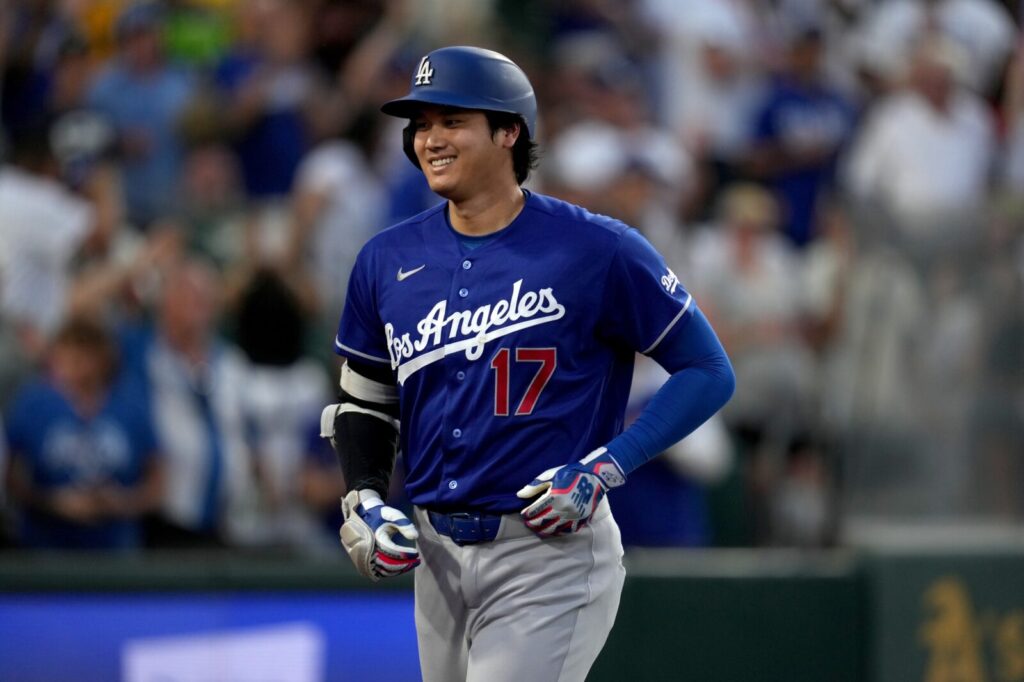
The other international professional sports, like the NBA and NHL, this is already do this, of course, and there aren’t any complaints coming from anyone in those leagues. Remember, as an example, players like Luka Doncic, Nikola Jokic, Victor Wembanyana and a whole lot of others aren’t from the USA and were still part of the NBA’s amateur draft. In baseball, when Japanese star Shohei Ohtani decided to make himself available to MLB, he was instantly a free agent and became available to the highest bidder. Same is true for his Los Angeles Dodgers teammate, star pitcher Yoshinobu Yamamoto, the MVP of the most recent World Series. He joined Ohtani in Los Angeles when the Dodgers made the highest bid.
That’s not how player acquisition is supposed to work, with the rich getting richer. All prospective big-leaguers, regardless of the country they come from, should be part of an entry draft process. Ohtani’s first MLB contract should have been with Pittsburgh or Miami… or Colorado.
The Owners have proposed a separate 12-round draft for international players, along with a matching “domestic” draft. The players’ union isn’t happy with the reduction to 12 rounds, nor the idea of making high-school players ineligible for either draft. That’s understandable, but it’s an issue that can be negotiated pretty easily – after the union accepts the idea of an international draft.
It’s hard to validate any argument against an international draft, something that would help struggling teams rebuild – and contend – more quickly. It won’t hurt the overall earning power of the international players, just like it doesn’t harm American-born guys. When you’re good enough, you get paid.
Perhaps this is a bargaining chip the players’ union can use toward an eventual agreement? The owners may need a “win” down the road after their stupid salary-cap plans are finally laid to rest.