

Two things can both be true. The Colorado Rockies could be greatly improved this season, and they could still lose 100 games for the fourth consecutive season.
What will most of us be thinking after the upcoming season comes to an end?
Try this: Fast forward your mind to next October. Imagine that the Rockies have concluded the first season under the revamped front office, having lost 104 games and finishing dead last in the National League Western Division by 50 or so games. The postseason begins with the Los Angeles Dodgers, San Diego Padres and Arizona Diamondbacks all participating, and the San Francisco Giants just narrowly being left out. Colorado gets absolutely buried in MLB’s best division.
Is the season another massive failure?
Or does the fact that the team improved by 15 full games – which is almost unthinkable in MLB, by the way – impress you even a little bit?
That could very well happen. Colorado was historically awful last season, and if they’re just normally bad (or undermanned) this coming year, it will show up in the standings something looking like that. And while casual fans may write them off as a total disaster once again, those who take a closer look should find reason for hope.
So far, they’ve been slow out of the gate, partly due to the new year’s management change that had Walker Monfort officially taking over on January 1st. They’ve been slow to fill all their minor league coaching slots, and underwhelming (to most fans) in their player acquisitions. Questions will continue to circle around many of the coaching staff hires – including the still-novice manager – until proven otherwise. But none of that can be fairly evaluated after just one season.
What can be evaluated is the progress of young players within the new system. Does young pitcher Chase Dollander make a jump? What about Kyle Karros? Can Hunter Goodman avoid the “sophomore slump” that has plagued young Rockies like Brenton Doyle in the recent past? Does Jordan Beck take the next step? Which young pitchers will have benefited from a new approach and can show up at Coors Field ready to compete?
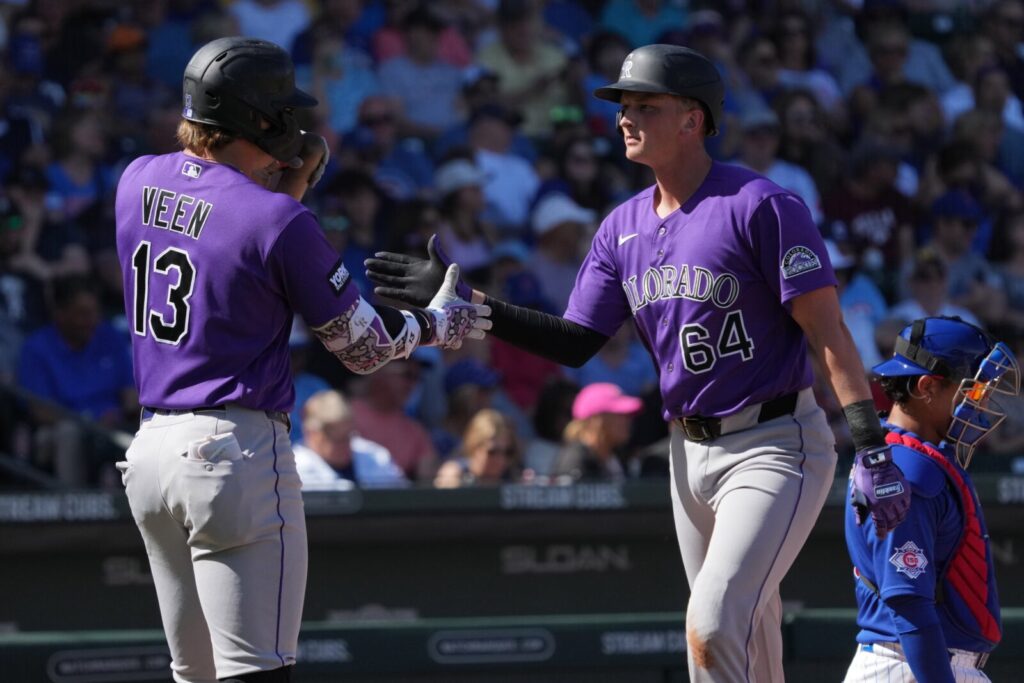
What about Charlie Condon? In the recent past, the Rockies have, on a few occasions, rushed prospects to the big leagues, only to find out they weren’t ready… like Zac Veen a year ago. Will the new regime force Condon to show out in Triple-A before making him the full-time first baseman at 20th and Blake?
And will prospects like Veen, who rebuilt his own body over the offseason, suddenly reach their potential?
So many questions that need affirmative answers to evaluate progress won’t necessarily show up in the standings. Not yet, anyway.
What Rockies fans can take heart in already is that this team is finally doing business like the other members of MLB… for maybe, the first time ever. And while finishing last again this season won’t make anyone happy, it should be accepted as a necessary evil at this point.
The Chicago White Sox of last season showed the way. They lost 121 games in 2024 before improving to “just” 102 losses last season. ChiSox fans were satisfied with the progress. The Rockies losing 104 games – improving by 15 games – could make 2026 a successful season, even if it won’t be a season that anyone takes particular pride in.
See it as a stepping stone and it will be easier to digest.