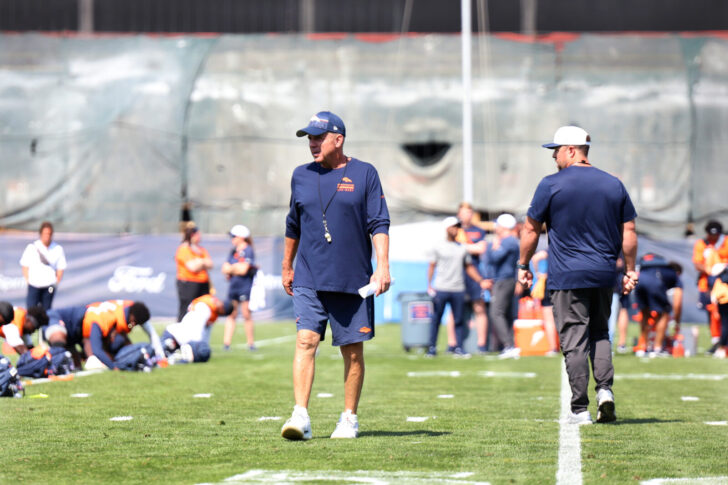
Earlier this week, the Denver Broncos began their offseason program as they look to compete for a Super Bowl this upcoming season. Coming off a 14-win regular season and an appearance in the AFC Championship, this Broncos team is hungry, and the continuity they have on their roster is a clear sign that they believe in what they have built.
Denver Broncos roster continuity creates space for younger players to develop
Before the NFL Draft, the Denver Broncos had 73 players on their roster — 71 of them who were on the active roster or practice squad last season, and two new players in Jaylen Waddle and Tycen Anderson who came over in March.
After choosing to re-sign a large number of their own in-house free agents, the Broncos believe they have a core group of players they can win a Super Bowl with, while also further developing some of their younger players who are slotted into depth roles. The 2026 NFL Draft was a great example by Denver of sharpening their depth with more high-upside players who can and will likely start for the organization at some point.
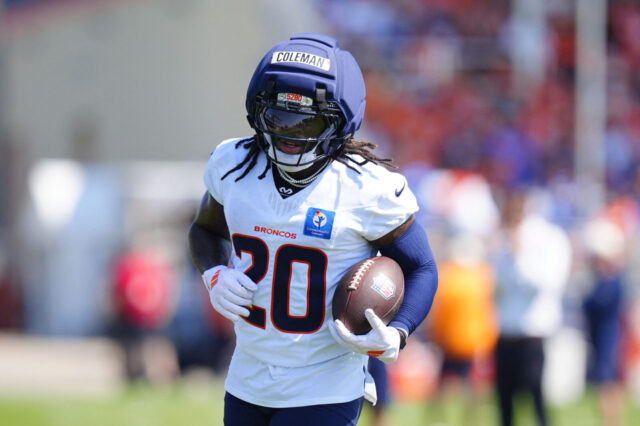
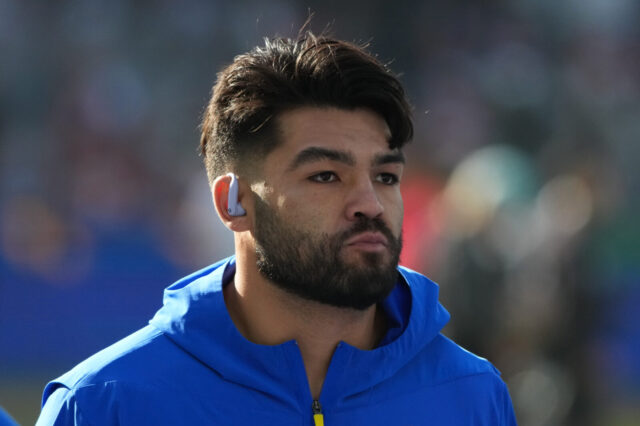
George Paton said it, and so did Sean Payton. It was going to be hard for any player who was going to be drafted this year, in particular, to come in and be a day-one starter, even though that possibility exists with defensive lineman Tyler Onyedim. But players like Justin Joly and Jonah Coleman project to be role players instantly on offense.
Internally, the Broncos believe that their overall roster continuity and experience give them room to develop some of these rookies, second-year, and third-year players who aren’t starters without putting unnecessary pressure on them to become something they aren’t yet.
After the NFL Draft, Broncos assistant general manager Reed Burckhardt highlighted that.
“Yeah, I think you do feel that way because you don’t have to force — ‘Hey, this guy needs to come in and make a huge impact for us week one, you know,’ Burckhardt said following the NFL Draft. “And now they’ve got to make the team, and they’ve got to do all the things to put themselves in that conversation, but we don’t feel that we have to expedite someone’s progress in order to fill in a hole, if that makes sense.”
This roster has most of their starting jobs on offense and defense already solidified, but opportunities to carve out rotational roles and play on special teams are going to be under the microscope in training camp.
Their depth is one of their biggest strengths. If you don’t believe me, here are some examples.
Jonah Elliss was moved this offseason to off-ball linebacker, despite being a strong rotational player at outside linebacker. They believe he has the athleticism and football IQ to make that position switch work. If it weren’t for some of the injuries Elliss experienced last season, we may not have gotten a chance to see what Dondrea Tillman could have done with more reps, or the flashes that rookie outside linebacker Que Robinson had in his limited sample size.
RJ Harvey and Pat Bryant weren’t starters to begin the year, but they were key role players for Sean Payton and the offense. Alex Forsyth showcased once again that he’s capable of jumping in and starting at center in the event of an injury to Luke Wattenberg.
Despite not playing on the left side ever in his NFL career, Alex Palczewski jumped into action at left guard after the Broncos lost Ben Powers and his backup, Matt Peart, to injury, and he was strong. He also showcased in 2024 that he could fill in at right tackle for Mike McGlinchey.
Defensively, players like Kris Abrams-Draine, Justin Strnad, Devon Key, Eyioma Uwazurike, and even last year’s rookie Jahdae Barron all showcased more and maximized their opportunities despite not being full-time starters.
The foundation is there for this Broncos team, and their new draft selections and undrafted rookies have a chance to come in and learn more right away. That foundation gives them the best chance to have an impact whenever they get their chance to take the field on Sundays.