
The NCAA is crumbling. For those who are trying to govern the sport, relying on Congress to save their bacon is more than a risky proposition – it’s almost an admission of surrender.
While their “Protect College Sports Act” wallows in the halls of Capitol Hill, the real defenders of college athletics must now be the commissioners of the “Power Four” conferences and the school presidents. It’s time for them to step up and put their collective feet down.
They’re off to a good start.
The latest atrocity to hit collegiate athletics is having NFL players who get cut from their respective pro teams return to the college game. It began last summer when a pair of players who were cut from the Denver Broncos entered the NCAA’s transfer portal. Cornerbacks Blake Cotton and Paul Manning were each undrafted, but after signing with – and later being released by – the Broncos, they were able to enter the college transfer portal. The most recent to do so is tight end Dae’Quan Wright of the Cleveland Browns. After recently getting cut, he entered the portal and signed with LSU. Even Browns coach Todd Monken was shocked.
The courts have proven to be entirely pro-players, with almost zero consideration being given to what’s best for the sport. And Congress couldn’t even get a proper vote lined up before taking a summer recess.
So it’s up to the conference commissioners to take up the mantle. Fortunately for the college game, the leaders of the Big Ten and Southeastern Conferences did just that on Tuesday, when they quickly enacted rules against former pros returning to play in college.
A round of applause.
This comes after another recent success for the leadership of another Power Four conference, the Big 12.
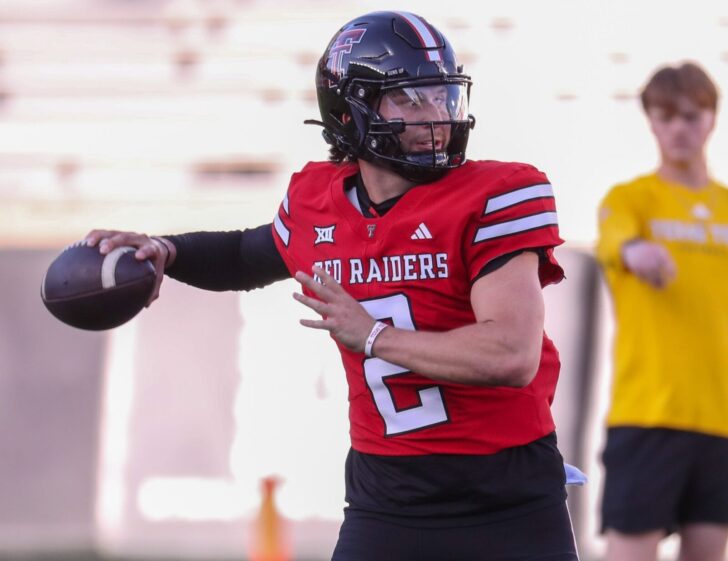
There has been a recent success for one conference, the Big 12. Earlier in the summer, the conference stepped up and flexed enough muscle to overcome a ridiculous Texas court ruling. Former Cincinnati Bearcats quarterback Brendan Sorsby – who admitted to gambling on college football games while he was in school at Indiana – was transferring to Texas Tech before he was declared ineligible by the NCAA for gambling. Then a obviously delirious pro-Texas Tech judge overturned the ineligibilty ruling back in early June. That’s when Big 12 commissioner Brett Yormark stepped in and, with the support of the other 17 schools in the conference (and some other noteworthy national programs) put the kibosh on Sorsby’s chances to play for the Red Raiders. The potential repercussions that the conference was threatening – as well as other programs who were going to refuse to play Tech – brought Texas Tech back to the fold.
The SEC and the other conferences are still hoping that Congress will pass the law that still sits in front of them. That’s all fine, but – with the help of the greasy lawyers handling these cases – coaches like LSU’s Lane Kiffin, who said in essence, “if we don’t sign him, one of our opponents will,” keep looking for any way possible to skirt the new rules to add talent, regardless.
There have to be repercussions. The new rules better be bulletproof.
We’re past the time for strongly worded statements. With Congress tied up in knots (now, there’s a shocker), the leadership of all college sports now rests with the conferences themselves… at least until such time as the NCAA gets reconfigured and learns how to govern fairly.
There will be more court cases; more challenges from unscrupulous lawyers looking for a payday. The conferences need to stand firm. Many schools have already promised that no former pros will suit up for them. Those schools should let it be known they won’t participate in games against schools that don’t adhere to the new rules, regardless of what the courts say. That’s what worked so well in the Sorsby case.